The Influence of Ambiance
The ambiance of a casino plays a significant role in shaping the psychological experience of its visitors. From the moment guests step inside, they are enveloped in a carefully curated atmosphere that stimulates their senses. Soft lighting, vibrant colors, and strategically placed sounds create an immersive environment designed to captivate and hold attention. For instance, the use of warm hues can evoke feelings of comfort and safety, encouraging patrons to linger and enjoy their time within the space, especially when they try out payid online pokies that enhance the overall experience. This calculated ambiance serves not only to enhance enjoyment but also to foster a psychological connection between the individual and the casino environment.
Moreover, the auditory elements within a casino are equally pivotal. The sounds of slot machines ringing, chips clinking, and excited chatter contribute to a lively environment that promotes excitement and engagement. This carefully orchestrated soundscape is not accidental; it is intended to create a sense of euphoria and thrill. Such sensory stimulation leads to increased time spent gambling as individuals become enveloped in the sounds of victory and social interaction. The psychological strategy employed aims to enhance the overall experience, making guests less aware of time passing and more focused on the immediate enjoyment of their activities.
Additionally, the strategic placement of gambling machines and tables is integral to the ambiance. Casinos are designed to encourage movement and flow throughout the space, enticing guests to explore and discover various gaming opportunities. By creating an environment that feels both luxurious and inviting, casinos draw visitors deeper into their world, reinforcing the notion of escapism while simultaneously promoting prolonged engagement with their offerings. This spatial design not only enhances enjoyment but also contributes to the financial success of the establishment, as guests are likely to spend more time and money within a captivating atmosphere.
Color Psychology in Casino Design
Color plays a significant role in influencing behavior and emotions, and casinos leverage this understanding to maximize user experience and encourage spending. For instance, red is often used in casino design because it is associated with excitement and energy, evoking feelings of urgency that can motivate people to engage in betting. This psychological nudging is intentional, encouraging players to take risks and increase their levels of play. The colors chosen are not mere decorative choices; they are strategic elements designed to elicit specific reactions and behaviors from guests.
Blue is another color strategically employed, as it provides a sense of calmness and relaxation. This duality allows casinos to maintain a balance between excitement and comfort, ensuring that guests do not feel overwhelmed while still being stimulated. By combining different colors, casinos can create zones that elicit specific emotions and behaviors, ultimately guiding patrons through various gaming and entertainment experiences. This thoughtful application of color theory not only enhances the aesthetic appeal of a casino but also serves a critical function in shaping the guests’ emotional journey.

Furthermore, the use of gold and silver accents can impart a sense of luxury and exclusivity, appealing to high rollers and those seeking an elite experience. The careful selection and implementation of color schemes not only enhances the visual impact of a casino but also significantly influences user behavior. For example, a gold-accented high-stakes area might instill feelings of prestige and aspiration, thereby attracting individuals with greater disposable income. This intricate relationship between color and psychology is essential in creating an environment conducive to spending and engagement.
Layout and Navigation
The layout of a casino is meticulously planned to enhance the flow of guest movement and maximize engagement with games and amenities. Unlike traditional retail spaces that might prioritize linear navigation, casinos often implement a more labyrinthine design. This strategy disorients visitors, encouraging them to explore various sections of the establishment rather than immediately exiting after a quick visit. By creating a maze-like experience, casinos increase the chances of visitors indulging in additional games or services, effectively extending their stay and expenditure.
The placement of high-stakes tables near entrances or prominent walkways is a common practice because it draws attention and encourages participation. This strategic positioning not only captures the interest of newcomers but also serves to entice regular players who may be drawn in by the buzz surrounding high-stakes activities. Additionally, the strategic positioning of amenities such as bars and restaurants throughout the gaming floor serves to prolong visits, allowing guests to take breaks without feeling the urge to leave the premises entirely. This holistic approach to layout fosters social interactions and keeps people engaged for extended periods.
Moreover, the absence of clocks and windows in many casinos is a deliberate choice, as it removes the external cues that could prompt guests to leave. This design choice creates a timeless environment where players can become fully immersed in the experience, often losing track of time while they gamble. By managing their perceptions of time and space, casinos can increase the likelihood of extended play sessions, ultimately leading to higher revenue generation. This manipulation of space and time is a crucial aspect of casino design, effectively enhancing the overall gaming experience.
Emotional Triggers and Rewards
The design of casino games and the overall environment is heavily influenced by an understanding of how emotional triggers can spur gambling behavior. Reward systems, such as free drinks, loyalty programs, and enticing jackpots, are specifically designed to elicit feelings of excitement and satisfaction. These rewards create a positive feedback loop, reinforcing the behavior of gambling and increasing the likelihood of repeat visits. By appealing to the guests’ emotions, casinos can cultivate a loyal customer base that returns for the thrill of gaming and the rewards associated with it.
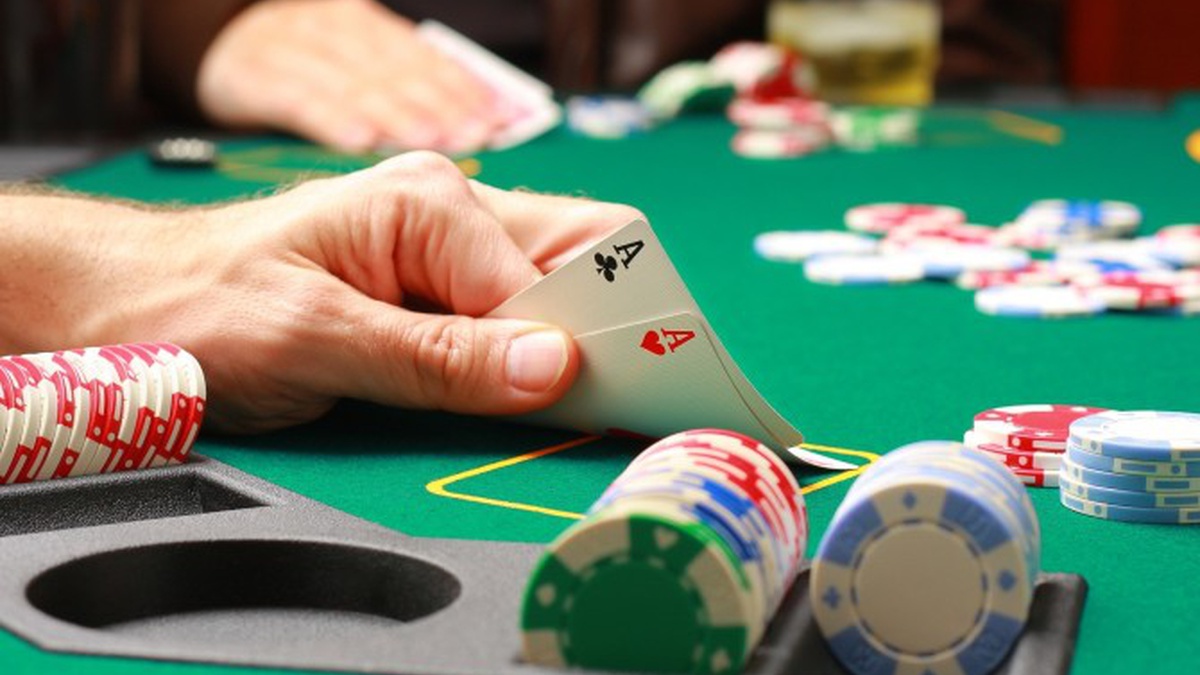
The thrill associated with winning, even a small amount, can trigger the release of dopamine in the brain, which contributes to a sense of enjoyment and encourages individuals to continue playing. This psychological aspect is taken into account during the design of slot machines and table games, which often feature bright lights and celebratory sounds to amplify the experience of winning. Casinos aim to create an environment where these positive feelings are readily accessible, facilitating a relationship between the player and the establishment. This connection is essential in ensuring that players view their time at the casino as both enjoyable and rewarding.
Furthermore, creating an atmosphere of competition can also serve as a motivational factor. Many casinos organize tournaments and events aimed at boosting engagement among patrons. This competitive spirit, combined with social interactions among players, enhances the overall experience, encouraging guests to spend more time and money. The excitement of competition not only draws people in but also fosters community among players, making them more likely to return. Through continuous reinforcement of emotional triggers and rewards, casinos successfully cultivate a loyal customer base that returns for not only the games but the whole immersive experience.
Exploring More About Casino Design Psychology
If you’re fascinated by the intricate psychology behind casino design, our website offers a wealth of information. We delve deeper into various aspects of how different elements come together to create the unique environments that casinos are known for. Our articles provide insights into the latest trends in design, consumer behavior, and the psychological effects of gaming, ensuring you stay informed about this captivating field. Understanding these dynamics can enrich your knowledge not only about casinos but also about broader principles applicable in various sectors.
Additionally, we offer resources and expert opinions that explore the impact of casino design on both visitors and the broader industry. Our mission is to equip readers with an understanding of how psychological principles are applied in real-world settings, particularly in the gaming and hospitality sectors. Join us as we continue to explore the dynamic relationship between environment and behavior, shedding light on the unseen forces that affect decision-making and engagement.
In addition to articles and insights, our website hosts interactive features and discussions that invite you to engage with the content on a deeper level. Participate in forums to share your experiences and thoughts on casino design, or access multimedia resources such as videos that visually illustrate the concepts discussed. By fostering a community of enthusiasts and experts alike, we aim to create a space for learning and exploration. Your journey into the fascinating world of casino design psychology begins here, where every click leads to new insights and understanding.